
Getting hair extensions is an investment, and like any investment, it pays to take care of it. The good news is that washing and maintaining extensions at home is not complicated once you know what you’re doing. The bad news is that a lot of people pick up habits that gradually wear their extensions down without even realizing it.
At The Secret Garden Salon & Spa in Staten Island, NY and Marlboro, NJ, our extension specialists send every client home with care instructions tailored to their specific method. But whether you’re a brand new extension client or you’ve been wearing them for years, this guide covers everything you need to keep your extensions looking and feeling their best between appointments.
How Often Should You Wash Hair Extensions?
This is one of the most common questions we hear, and the answer is less often than you probably think. Most extension clients do best washing every 3 to 4 days.
Washing too frequently strips the natural oils from both your extensions and your natural hair, which leads to dryness, frizz, and a shorter lifespan for the hair itself.
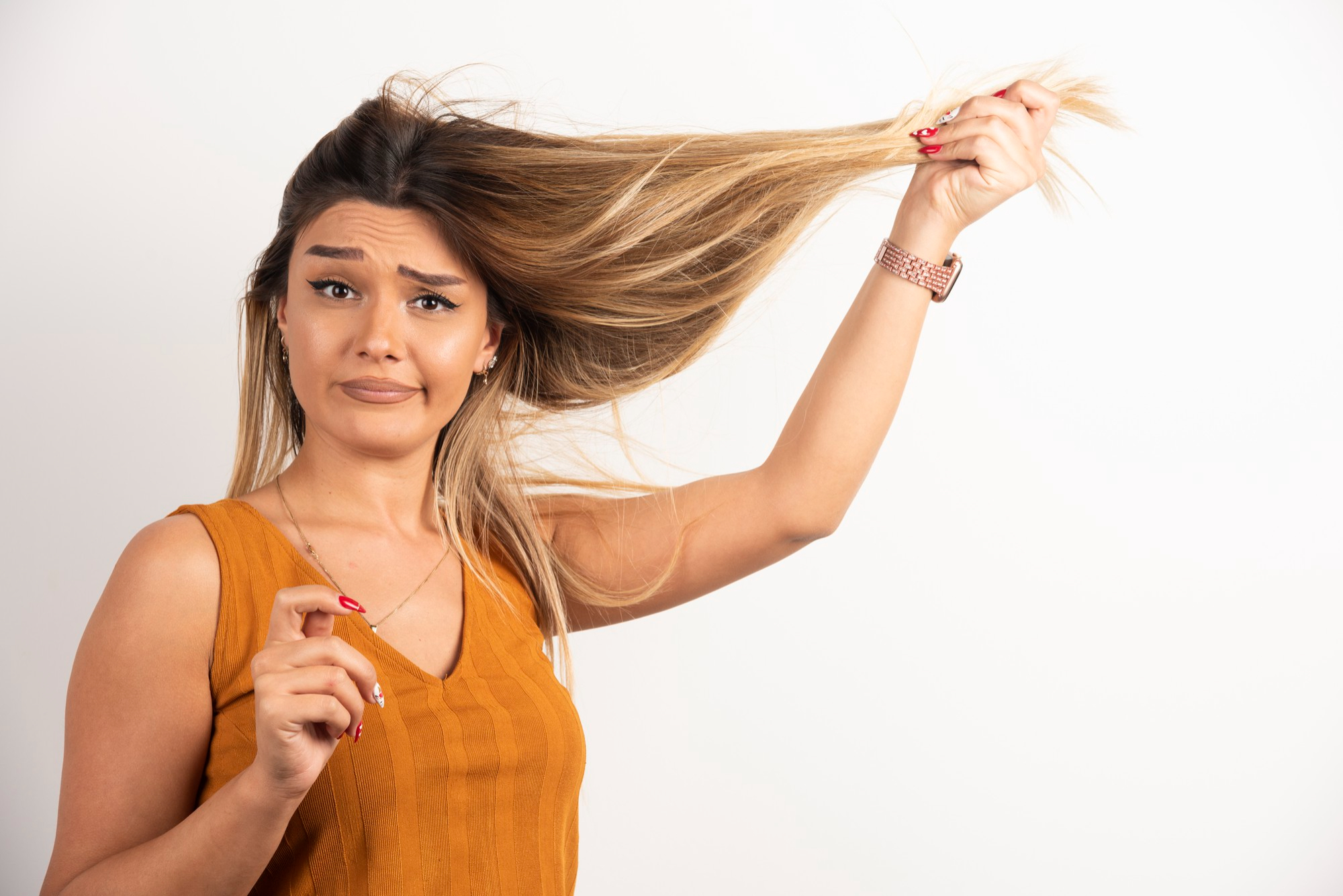
Extensions, unlike your natural hair, do not benefit from your scalp’s natural oils traveling down the shaft. That means they rely entirely on the products you apply to stay moisturized. Overwashing removes that moisture faster than it can be replenished.
If you work out frequently and feel like you need to refresh your hair more often, try rinsing with water only between full wash days rather than shampooing every time.
What Products to Use (and What to Avoid)
Use Sulfate-Free Shampoo
Sulfates are the cleansing agents in most standard shampoos that create a rich lather. They’re also harsh enough to break down adhesive bonds in tape-in extensions and dry out the hair fiber in all extension types over time. Always use a sulfate-free shampoo specifically formulated for extensions or color-treated hair.
Use a Lightweight, Hydrating Conditioner
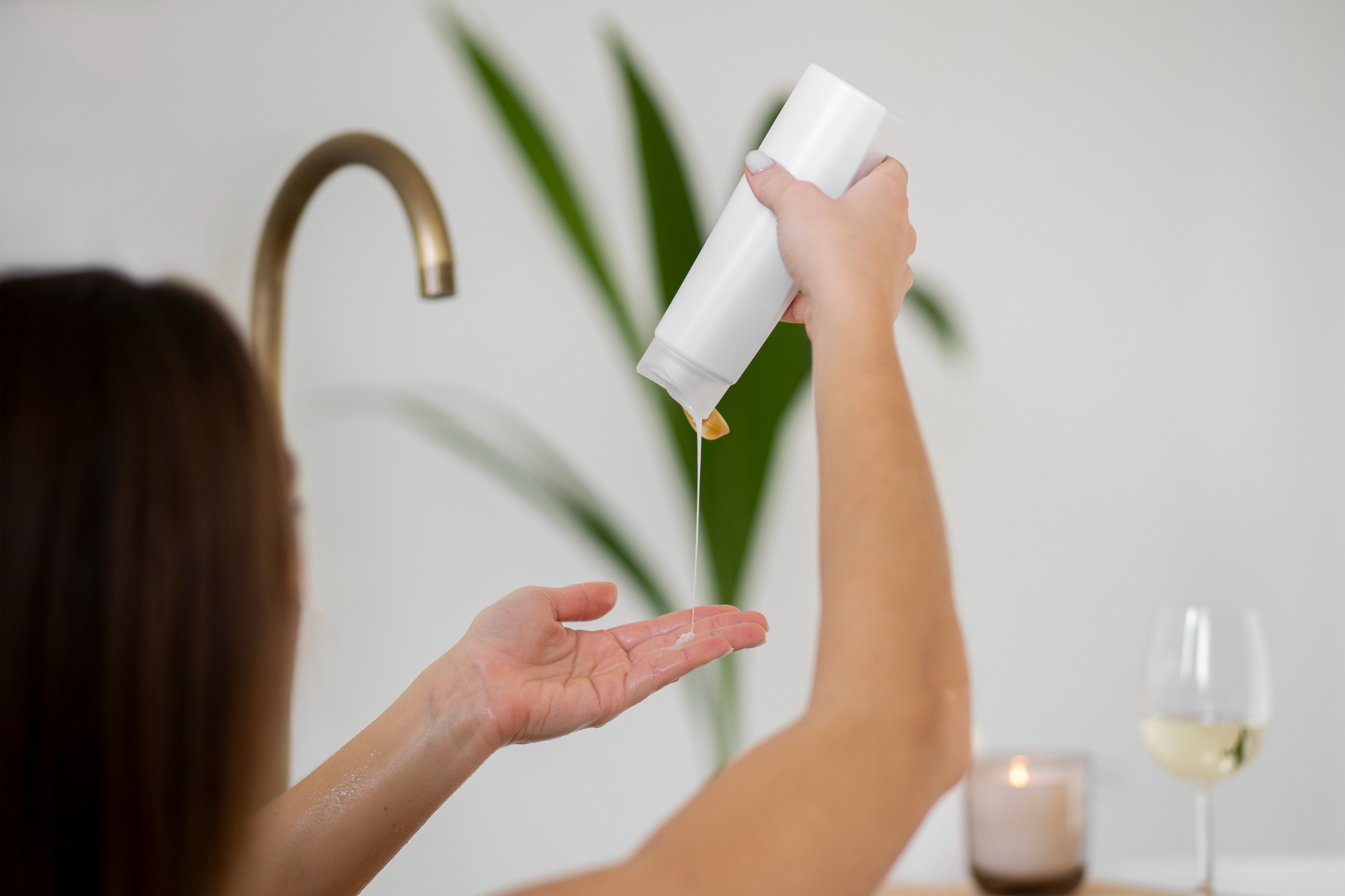
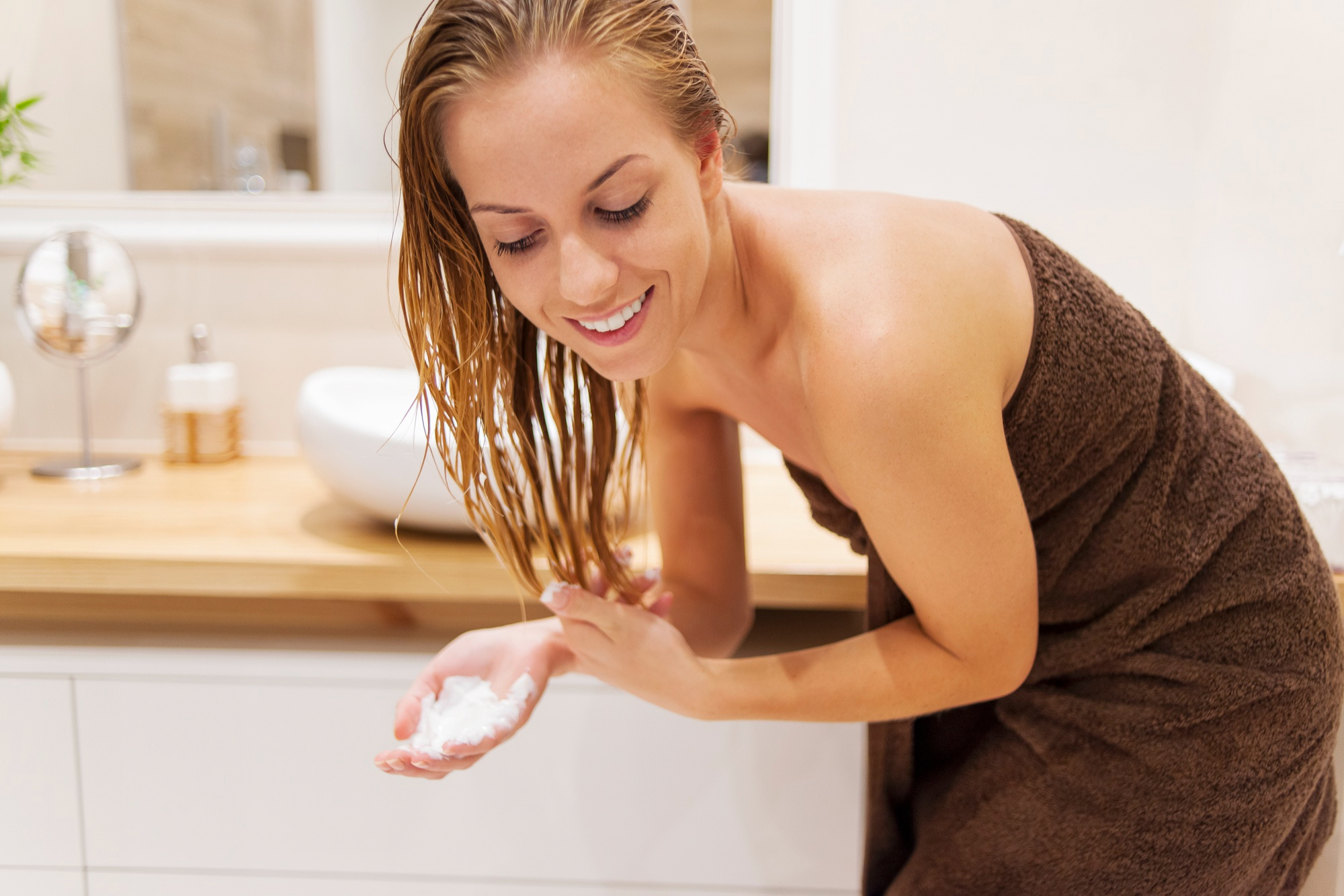
Conditioner is essential for keeping extension hair soft and manageable, but where you apply it matters. Keep conditioner away from the roots and attachment points and focus it on the mid-lengths and ends. Applying conditioner to the bonds or beads can loosen them over time, which is the last thing you want.
Avoid Oil-Based Products Near the Roots
Oil-based serums, treatments, and styling products are wonderful for the ends of your extensions, but they should never be applied near the attachment points. Oil breaks down adhesive in tape-in extensions and can cause slippage in all methods. If you love using hair oils, apply them from the mid-shaft down only.

Skip Heavy Silicones
Silicone-heavy products create buildup on the hair shaft over time, which makes extensions feel heavy, greasy, and dull. Check ingredient labels and look for products that are silicone-free or low in silicone content.
Always Use Heat Protectant
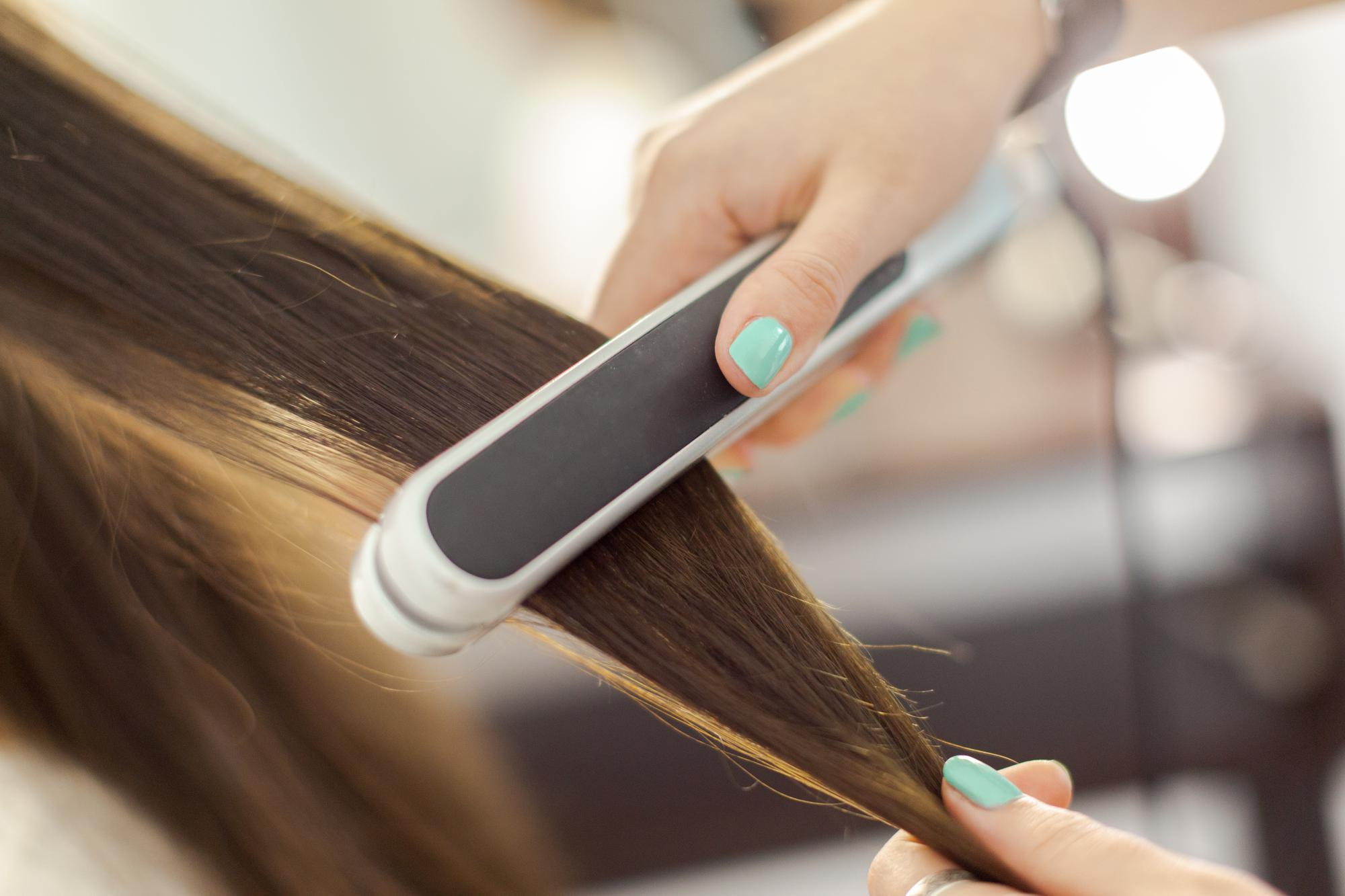
Extension hair does not regenerate the way natural hair does. Once it’s damaged by heat, that damage is permanent. Every single time you use a blow dryer, flat iron, or curling iron on your extensions, apply a quality heat protectant first. No exceptions.
Step-by-Step: How to Wash Your Extensions Correctly
Step 1: Brush Before You Wet
Always detangle your extensions before getting them wet. Use a soft-bristle brush or a loop brush designed for extensions, start from the ends, and work your way up toward the roots slowly and gently. Trying to detangle wet, matted extensions is one of the most common causes of breakage and shedding.
Step 2: Wet Hair Gently in a Downward Motion
When you step into the shower, let the water run downward over your hair rather than flipping your head over or scrubbing at the roots. Running your fingers through your hair in a downward direction as it gets wet helps prevent tangling and keeps the attachment points from getting disturbed.
Step 3: Shampoo at the Scalp, Not the Length
Apply your sulfate-free shampoo directly to your scalp and massage gently with your fingertips. Let the shampoo rinse downward through the length of your hair rather than scrubbing the extension hair directly. The scalp is where product buildup and oil accumulate; the extension hair just needs a gentle rinse.
Step 4: Condition the Mid-Lengths and Ends Only
Apply conditioner from about two inches below the attachment points down to the ends. Let it sit for a few minutes, then rinse thoroughly. Any conditioner left near the bonds can cause slippage over time, so make sure everything is fully rinsed out before you step out of the shower.
Step 5: Squeeze, Don’t Rub
When you get out of the shower, resist the urge to rub your hair dry with a towel. Gently squeeze the water out from roots to ends, then wrap your hair loosely in a microfiber towel or a soft cotton t-shirt. Rubbing creates friction that leads to tangling and frizz, particularly at the attachment points.
Step 6: Detangle Again While Damp
Once the excess water is out, detangle again with your extension brush while the hair is still damp. Work from the ends up, holding the root area gently to avoid pulling on the attachment points. This is the best time to apply any leave-in conditioner or detangling spray.
Step 7: Dry Thoroughly Before Bed
This one is non-negotiable. Never go to sleep with wet or damp extensions. Wet hair is more fragile, and sleeping on damp extensions creates the perfect conditions for matting and tangling at the roots that can be very difficult to reverse. Blow dry on a low to medium heat setting, or allow plenty of time for your hair to air dry completely before you go to sleep.
Daily Care Between Wash Days
Brush Every Day
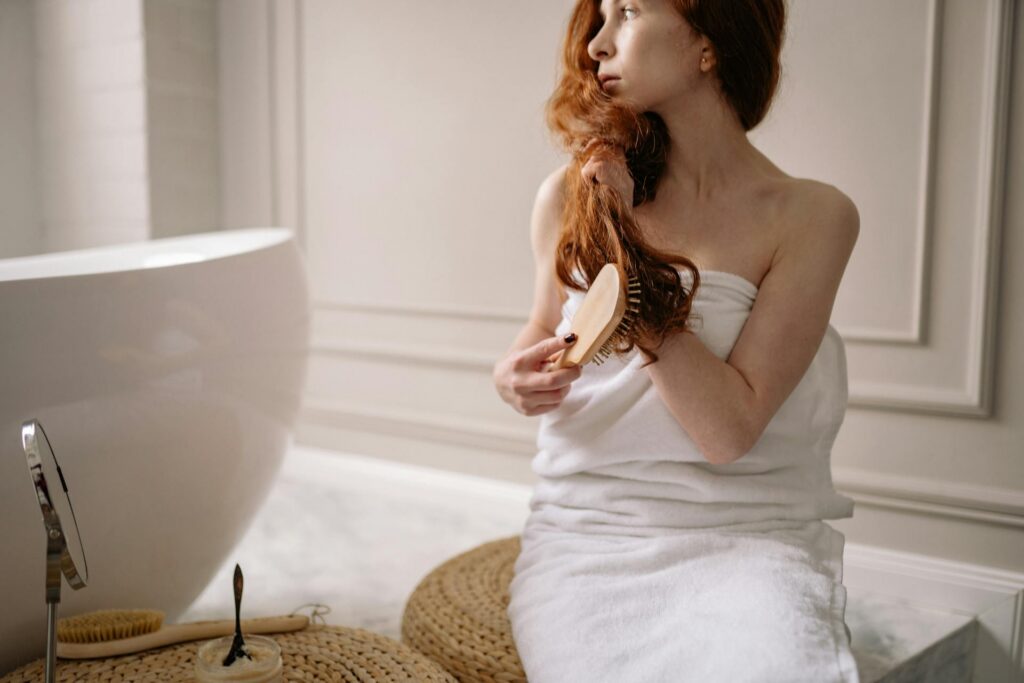
Daily brushing is one of the simplest and most effective things you can do to keep your extensions in good shape. Use your extension brush morning and night, always starting from the ends and working upward. Pay special attention to the areas around the attachment points where tangling tends to start.
Protect Your Hair at Night
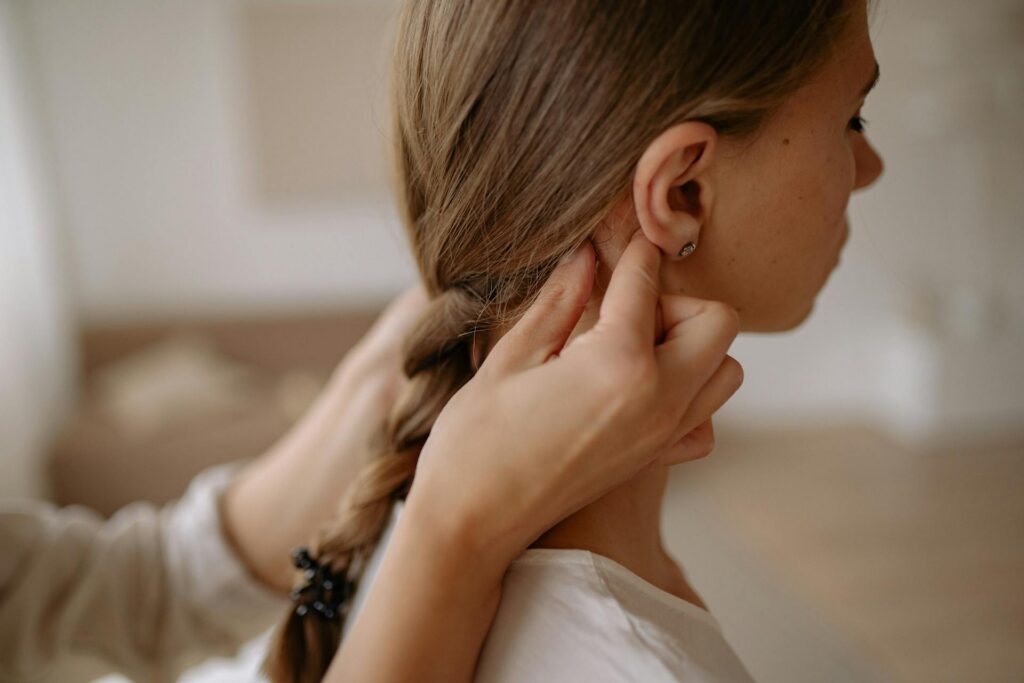
Before bed every night, put your hair into a loose braid or low ponytail to keep it from tangling while you sleep. Secure it with a soft fabric scrunchie rather than a tight elastic, which can create a crease or put stress on the attachment points. A silk or satin pillowcase adds an extra layer of protection against friction.
Be Careful in the Pool and Ocean
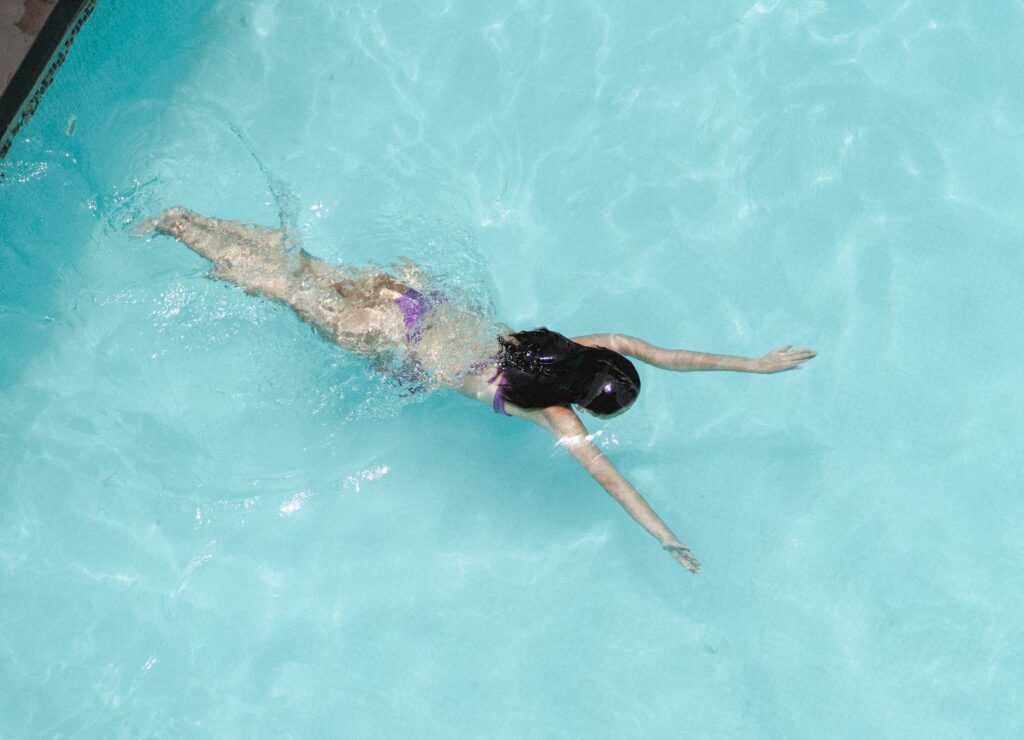
Chlorine and saltwater are both very drying to extension hair and can affect the integrity of bonds and adhesives over time. If you plan to swim, apply a leave-in conditioner before getting in the water, keep your hair up if possible, and rinse thoroughly with fresh water immediately after. A deep conditioning treatment after a day at the beach or pool goes a long way.
Method-Specific Care Tips
Tape-In Extensions
Keep oil-based products away from the roots entirely. When conditioning, be especially careful not to let product touch the tape bonds. At your move-up appointment, your stylist will replace the adhesive tabs, so the condition of the bonds at removal matters less than keeping them intact until then.
Hand-Tied Wefts
Pay close attention to the beaded rows during brushing. Tangles tend to start at the rows if they’re not brushed through regularly. When washing, be gentle around the bead and thread area and avoid scrubbing directly at the rows.
Keratin Bond Extensions
Keratin bonds are the most sensitive to product buildup and heat near the attachment points. Keep all styling tools a safe distance from the bonds themselves, and avoid applying any products directly to the bond area. When brushing, hold each row of bonds gently with your other hand to avoid pulling directly on the bond.
When to Call Your Stylist
Good at-home care goes a long way, but it does not replace your regular move-up appointments. If you notice any of the following between visits, reach out to your stylist sooner rather than waiting for your next scheduled appointment:
– Bonds or tape tabs that feel loose or are slipping down the hair shaft
– Persistent matting at the roots that won’t brush out
Unusual shedding of your natural hair
– Scalp tenderness or irritation around the attachment points
– Extension hair that feels significantly drier or more brittle than usual
For a full breakdown of how often each method needs to be serviced, check out our post on Hair Extension Maintenance 101: How Often To Move Up.
Book Your Next Extension Appointment at The Secret Garden
Whether you’re due for a move-up, thinking about getting extensions for the first time, or just have questions about your at-home routine, our extension specialists are here to help.
Book your consultation today and let’s find the method that’s going to give you exactly the hair you’ve been picturing.