It’s one of the first questions we hear from anyone seriously considering extensions for the first time: “But won’t they damage my hair?”
It’s a fair question and it deserves an honest answer rather than a sales pitch. The truth is that hair extensions, like most professional beauty services, exist on a spectrum. Done correctly by an experienced stylist using quality hair and the right method for your hair type, extensions should not damage your natural hair. Done incorrectly, or neglected over time, they can.
At The Secret Garden Salon & Spa in Staten Island, NY and Marlboro, NJ, our extension specialists work with hand-tied wefts, tape-ins, and keratin bonds, and client hair health is always the top priority. Here’s what you actually need to know.
The Honest Answer: It Depends on These Three Things
The Method
Not all extension methods put the same amount of stress on your natural hair. Some are inherently gentler than others, and the right method for you depends on your hair’s natural thickness, texture, and overall health. A method that works beautifully for someone with thick, healthy hair may not be the right choice for someone with fine or fragile strands.
The Stylist
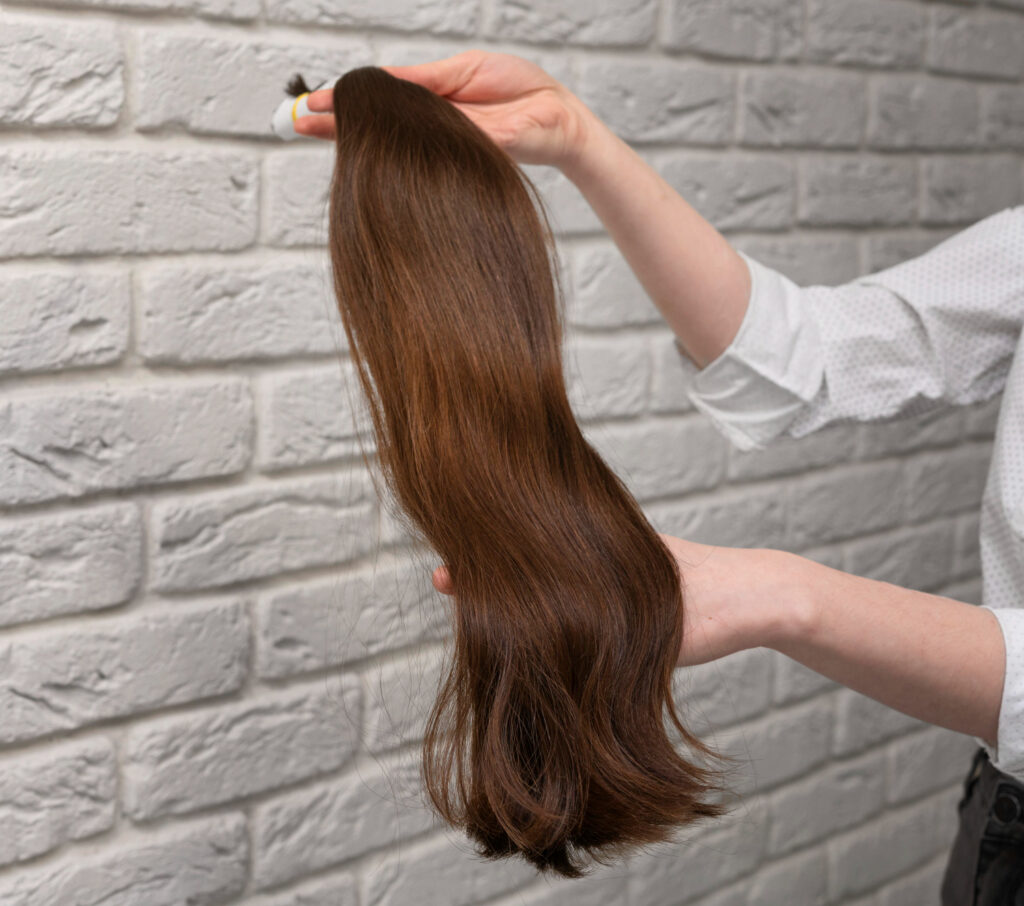
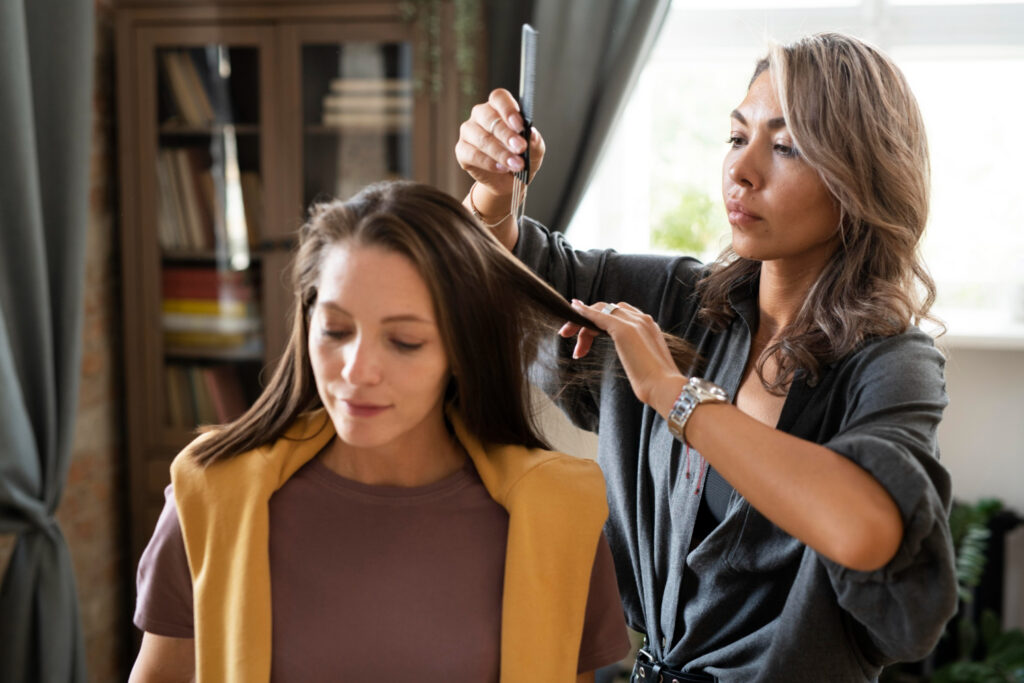
Proper application is everything. Extensions applied with incorrect tension, placed too close to the scalp, or installed by someone without proper training are the number one cause of extension-related hair damage. This is why choosing an experienced, certified extension stylist matters so much.
The Maintenance
Even the most perfectly applied extensions can cause damage if they’re not maintained properly. Skipping move-up appointments, neglecting your at-home care routine, or going too long between services puts unnecessary stress on your natural hair and can lead to matting, breakage, or traction, all of which are avoidable with the right approach.
Breaking Down Each Method: What to Know About Damage Risk
Tape-In Extensions
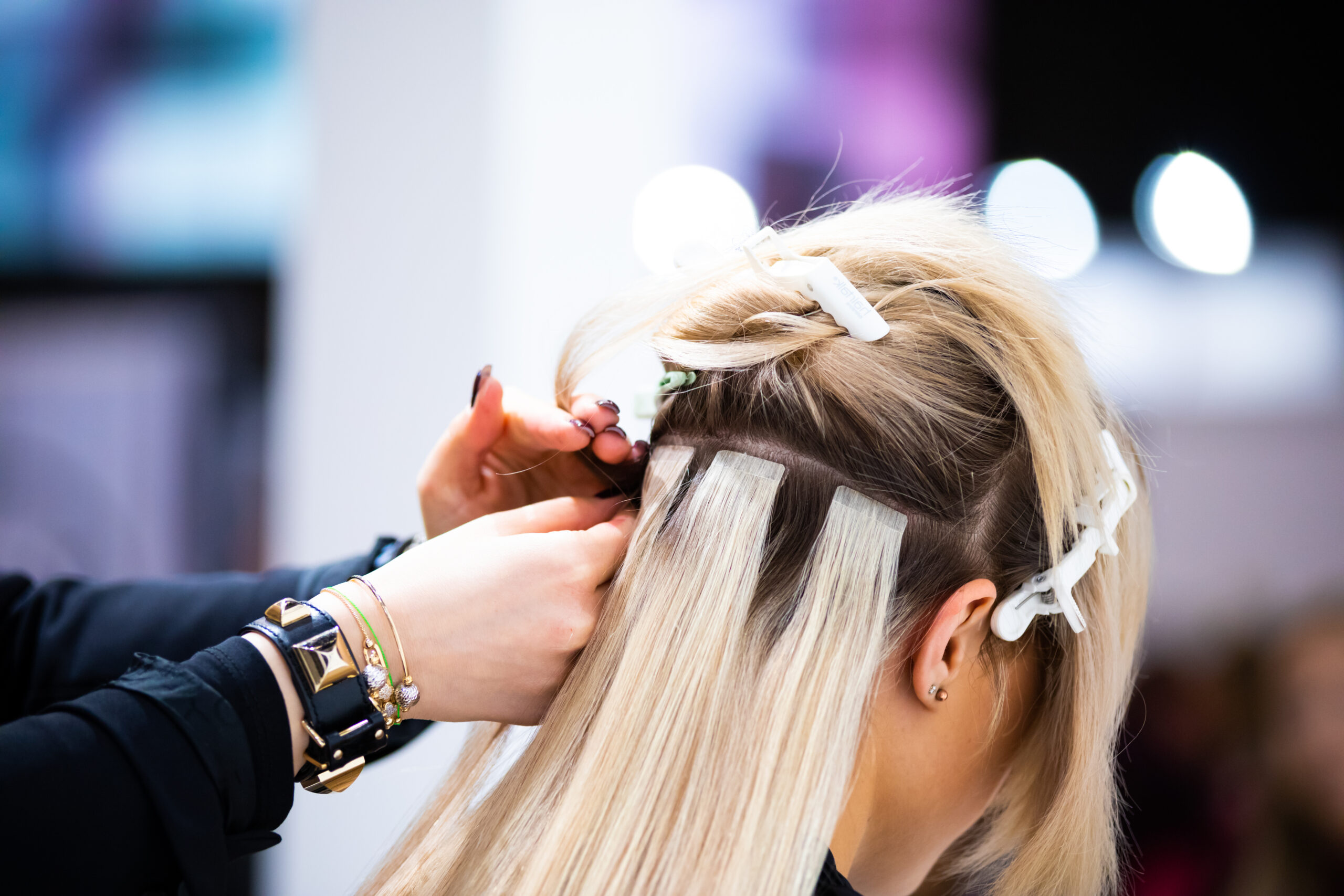
Tape-ins are one of the most popular extension methods and, when applied and maintained correctly, are considered one of the gentler options. They lie flat against the head, distribute weight evenly, and are relatively easy to remove. The adhesive tabs are sandwiched around small sections of your natural hair, which means tension is spread across the hair shaft rather than concentrated at one point.
Damage risk with tape-ins is generally low, but increases if they’re left in too long without a move-up, if the adhesive is removed roughly, or if the extensions are applied too close to the scalp.
Hand-Tied Wefts
Hand-tied wefts are sewn onto a beaded track that runs along the head, making them a bond-free and adhesive-free option. Because there’s no chemical attachment directly to the hair, many stylists consider hand-tied wefts to be one of the most natural hair-friendly methods available for those who want significant volume and length.
The key to keeping hand-tied wefts safe is regular move-up appointments. As your natural hair grows, the beaded rows need to be repositioned. Waiting too long between appointments means the weight of the weft is being held by a smaller section of outgrown hair, which increases tension and the risk of breakage.
Keratin Bond Extensions
Keratin bond extensions are also called fusion or individual bond extensions and are applied strand by strand using a keratin-based adhesive that bonds to your natural hair with heat. They offer the most natural movement and blend seamlessly with the hair, but they do require more careful handling.
When applied correctly and removed by a professional, keratin bonds are very safe. The risk of damage comes primarily from improper removal, like trying to remove bonds at home or using the wrong tools can cause significant breakage. Always have keratin bonds removed professionally.
Signs That Extensions Are Being Worn Safely
Healthy extensions should feel comfortable from day one. Here’s what a safe, well-applied set of extensions looks and feels like:

– No pain, pulling, or tension at the scalp. Mild initial awareness is normal, but actual discomfort is not
– No visible attachment points when hair is worn down naturally
– Natural movement and blend with your own hair
– No matting or tangling at the root area
– Your natural hair feels the same at removal as it did at installation
Warning Signs That Something Is Wrong
If you experience any of the following, contact your stylist sooner rather than later:
– Persistent scalp tenderness or headaches after the first few days
– Visible thinning or breakage around the attachment points
– Matting or severe tangling at the roots between appointments
– Extensions that feel loose or are sliding down the hair shaft
– Unusual shedding of your natural hair
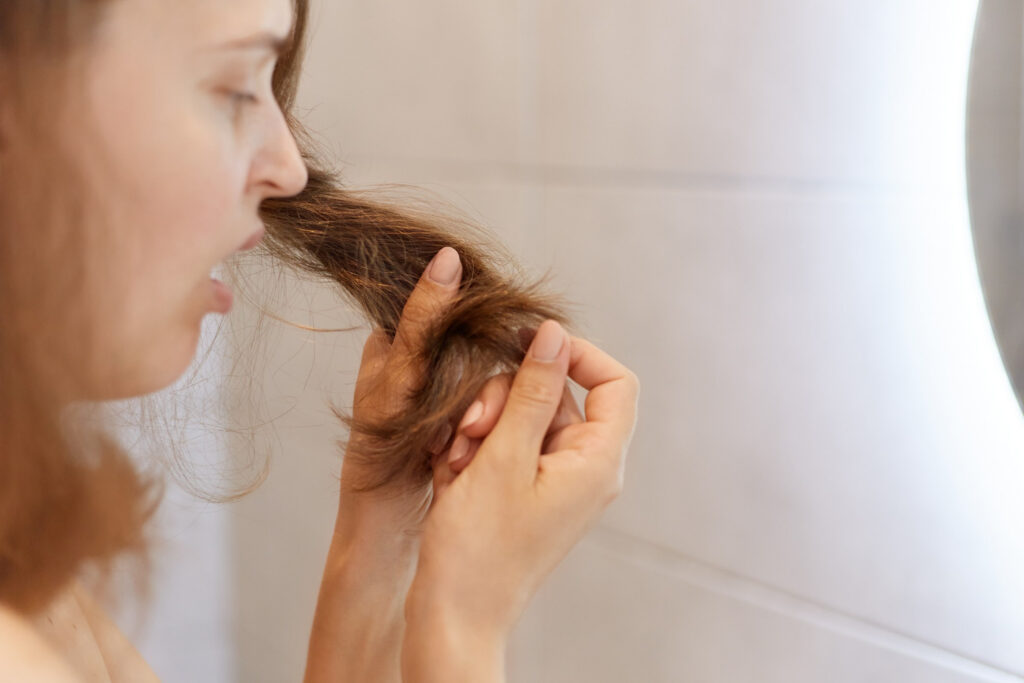
These issues are almost always correctable when caught early. The longer they go unaddressed, the more difficult they become to reverse.
The Role of Your At-Home Routine
What you do at home between appointments plays a huge role in keeping your natural hair healthy while wearing extensions. Here are the non-negotiables:
Brush Daily
Brushing your extensions daily prevents tangling and matting at the roots. Always use a soft-bristle extension brush or loop brush, start from the ends, and hold the root area gently while you work through any knots. Never brush extensions when they’re soaking wet.
Sleep With Your Hair Secured
Loose hair during sleep creates friction and tangles that put stress on the attachment points. Braid your hair loosely or put it in a low ponytail before bed, and sleep on a silk or satin pillowcase to minimize friction.
Wash Gently and Not Too Often
Over-washing strips moisture from both your extensions and your natural hair. Most extension clients wash every 3 to 4 days using a sulfate-free, extension-safe shampoo. When you do wash, be gentle at the roots and avoid scrubbing or piling hair on top of your head.
Never Skip Your Move-Up Appointment
This is the single most important thing you can do to protect your natural hair while wearing extensions. Move-up appointments keep the attachment points in the correct position as your hair grows and prevent the weight imbalance that leads to breakage.
Who Is a Good Candidate for Hair Extensions?
Most people with healthy hair are good candidates for extensions. The ideal candidate has:

– Natural hair that’s in reasonably good condition; not significantly damaged, over-processed, or extremely fragile
– Enough hair to conceal the attachment points naturally
– A commitment to the maintenance schedule and at-home care routine
– Realistic expectations about what extensions can and can’t do
If your hair is very fine, chemically damaged, or you’re experiencing active hair loss, extensions may not be the right fit right now, but that doesn’t mean never. Our extension specialists can assess your hair at a consultation and give you an honest recommendation based on what they see.
What About Hair That's Already Been Damaged by Extensions?
If you’ve had a bad experience with extensions in the past, whether from a previous salon, a method that wasn’t right for you, or a maintenance routine that slipped, it doesn’t mean extensions can never work for you.
The first step is getting your natural hair back to a healthy baseline. This might mean a period of time without extensions, targeted conditioning treatments, regular trims, and a more consistent at-home care routine. Once your hair has recovered, you can revisit extensions with a fresh start and a better plan.
Our extension specialists at The Secret Garden will always give you an honest assessment at your consultation, including telling you if now isn’t the right time. Visit our hair extensions page to learn more about the methods we offer.

Book Your Hair Extension Consultation at The Secret Garden
The best way to know whether extensions are right for your hair is to have an experienced specialist take a look. At The Secret Garden Salon & Spa, our consultations are designed to be informative, pressure-free, and completely tailored to your hair and your goals.
We serve clients across Staten Island, NY and Marlboro, NJ with hand-tied wefts, tape-ins, and keratin bond extensions. Book your consultation today and we’ll give you the honest answers you need to make the right decision for your hair.